Scope stays narrow
This first release only publishes the code page and two beginner guide pages, because the evidence is concentrated around those search intents.
Fan-made Roblox field guide
A focused English launch wiki for 50 Player BINGO players who need codes, quick rules, round flow, cash priorities, and practical beginner guidance without sorting through unrelated Roblox pages.
Route cards work as the first screen after the hero: they give players a useful direction before asking them to browse a full archive.
Confirm the current reported code, reward caveat, last-checked date, and redemption steps before returning to Roblox.
02Understand the line, random-shape, and full-card round flow before you press the Bingo claim button.
03Prioritize extra card slots before cosmetics when your goal is better match odds and faster progression.
04Use the called-number board and a careful marking rhythm when extra slots make the room harder to follow.
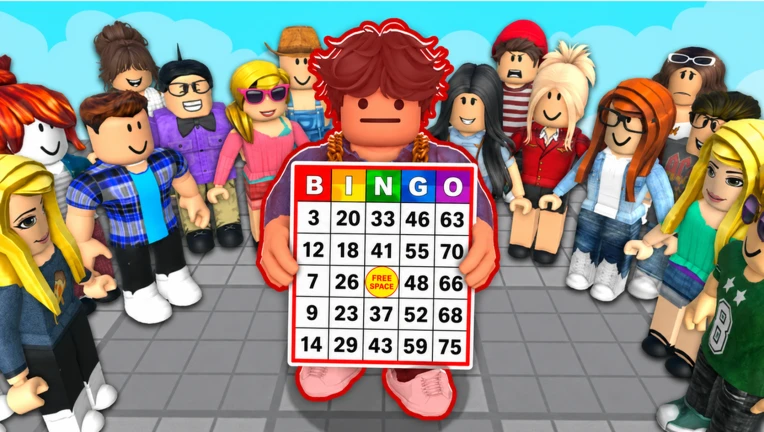
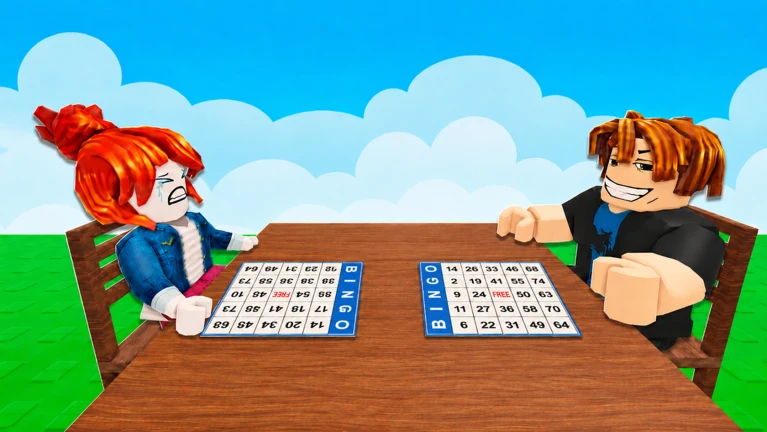
This first release keeps the site narrow: one codes page and two beginner guide pages. The goal is to answer the first questions players search after seeing the game rise on Roblox. 50 Player BINGO is a Roblox bingo experience by Turret Sims where a crowded lobby of players watches called numbers, marks matching card spaces, and races to claim the required pattern before the round closes.
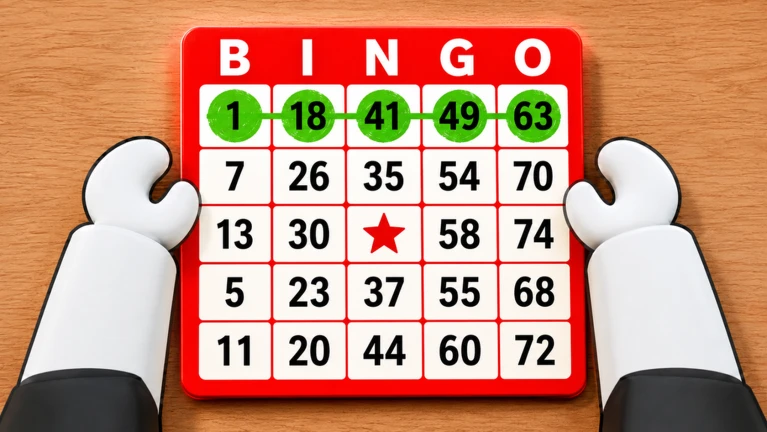
Focused launch notes for codes, rounds, cash choices, and careful expansion.
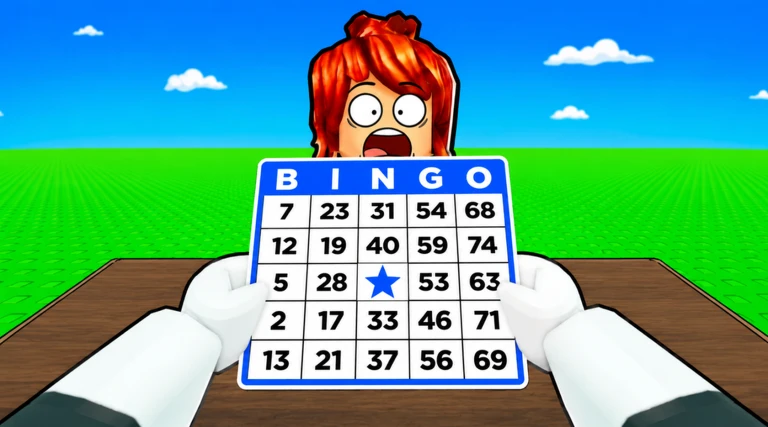
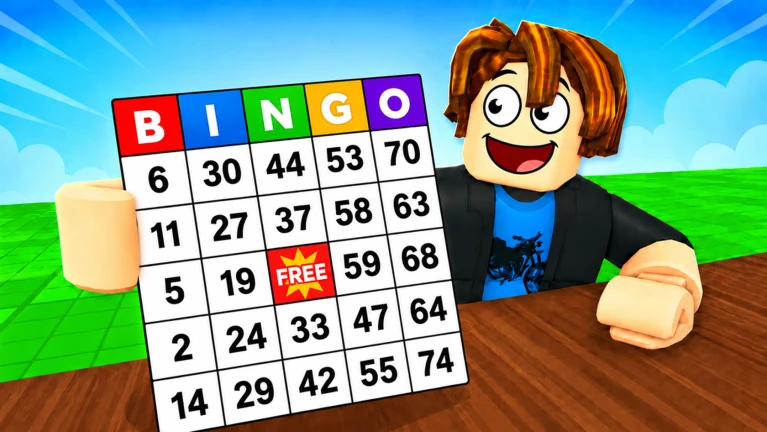
A normal match gives each player a 5x5 bingo card with a free center square. Numbers are called during the round, and the player marks any matching spaces on their card. The first round usually asks for a single line, the second round uses a random shape shown in the objective area, and the final round asks for a full card.
Cash matters because it controls how quickly a player can unlock useful options and cosmetics. The strongest beginner advice from the retained gameplay evidence is to treat extra card slots as the first progression purchase and delay purely cosmetic spending until the player is comfortable tracking more than one card.
Roblox code pages become untrustworthy fast when they list rewards without a visible check date. The first codes page keeps a last-checked date, separates active and expired status, and avoids pretending that an unofficial source is the developer.
The available keyword evidence is concentrated around codes and first-session help. The retained keyword evidence showed measured demand for code variants, while guide and how-to queries had useful search-result and video evidence but weaker numeric demand. That is enough for a compact English test site, not a sprawling wiki. The first batch publishes the codes page, a broader beginner guide, and a how-to-play page. Pages such as script, group, generic wiki, or unrelated bingo phrases are excluded from the first release because they either carry safety risk, serve navigation rather than guide intent, or are not specific enough to this Roblox game.
The next pages should only be added after the game produces stronger evidence for specific player problems. Good candidates would be an item or card-skin list if search demand becomes visible, a cash farming page if players keep asking about earnings, and a round-pattern page if videos or comments show repeated confusion around random shapes. The site architecture is ready for that expansion, but the first release keeps crawlable pages limited to the evidence-backed core so the site can earn trust before growing into a larger wiki.
The site should be reviewed after meaningful Roblox updates, new code reports, or visible player confusion around match objectives. That rhythm keeps the launch pages useful without turning the wiki into a pile of thin notes.
A good first visit should feel direct. The homepage sends code searchers to the reward page, new players to the guide archive, and returning players to the latest launch notes. That structure helps the site cover the 50 Player BINGO wiki intent without pretending to be a large encyclopedia before the game has enough durable topics.
The first version favors checked, useful pages over broad coverage. Each page needs a clear player question, local visual support, a working route from the homepage, and enough explanation to stand alone when someone lands from search. Thin pages can be added quickly, but they usually make a young guide site feel less trustworthy. This launch keeps the structure ready for expansion while giving the existing pages enough depth to be useful on their own.
Players can use the site in short sessions. Check rewards before joining a match, read the round explanation while learning the interface, then come back after a few games to plan cash spending. That pattern fits a Roblox game where questions are often quick, practical, and tied to what the player just saw on screen.
Three crawlable pages cover the immediate code and beginner-help intents. Additional wiki sections stay out of navigation until there is stronger evidence.
Check 50 Player BINGO codes for Roblox, rewards, redeem steps, expired notes, and last-checked source caveats.
Open note02 / guidesRead a 50 Player BINGO guide for Roblox rounds, rewards, cash spending order, card slots, and beginner mistakes.
Open note03 / guidesLearn 50 Player BINGO how to play on Roblox: card basics, round rules, payouts, upgrades, and Bingo timing.
Open noteThese notes keep the site honest when a page depends on updates, player routes, or values that may change.
This first release only publishes the code page and two beginner guide pages, because the evidence is concentrated around those search intents.
Every code claim keeps a visible check date and avoids pretending that an unofficial source is the developer.
The guidance focuses on card slots, round objectives, called-number recovery, and cosmetic spending tradeoffs.
Check the current reported code, reward caveat, last-checked date, redemption steps, and expired-code notes.
No. This is an independent fan-made guide hub. The official game is hosted on Roblox by Turret Sims.
The keyword evidence is early and concentrated. A small batch keeps the site accurate while the game demand develops.
Yes, but only after those topics show enough independent demand or strong in-game evidence to support useful pages.